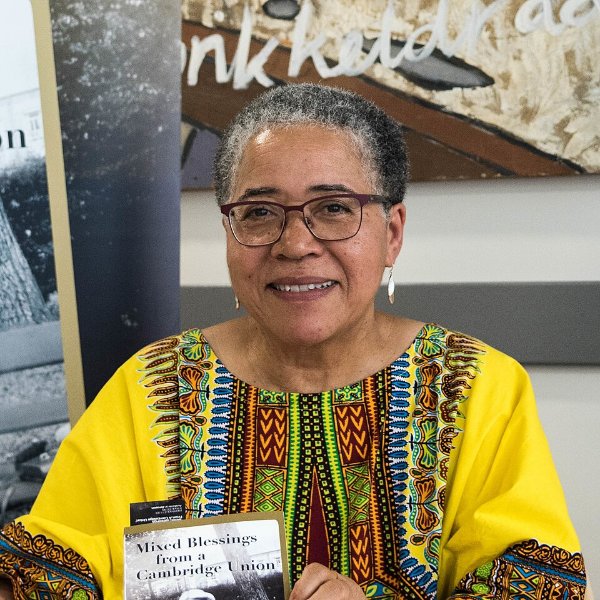
Elizabeth Anionwu was born in Birmingham to an Irish mother and Nigerian father, growing up in a convent children's home before being raised by foster parents, an early childhood marked by the racism and dislocation common to mixed-race children in postwar Britain.
Anionwu trained as a nurse and health visitor before becoming increasingly aware of how poorly the British healthcare system understood and served patients with sickle cell disease and thalassaemia — genetic blood disorders disproportionately affecting Black and South Asian communities, yet largely overlooked by mainstream medical training and services.
In 1979, Anionwu co-founded Britain's first Sickle Cell and Thalassaemia Counselling Centre in Brent, London, establishing a specialist model of care and genetic counselling that would go on to influence national health policy and services across the country over subsequent decades.
Anionwu went on to become a professor of nursing and a prominent advocate for improving healthcare access and cultural competency for Black and minority ethnic patients across the NHS. She was made a Dame in recognition of her services to nursing and sickle cell care, and continues to be regarded as a pioneering figure in British healthcare equity.
- Co-founded the UK's first Sickle Cell and Thalassaemia Counselling Centre (1979)
- Established a specialist model of genetic counselling later adopted more widely across the NHS
- Became a professor of nursing and prominent healthcare equity advocate
- Made a Dame in recognition of her contributions to nursing and sickle cell care
- Longtime advocate for improved cultural competency across the National Health Service
- Identify the gap others have overlooked. Anionwu recognised that mainstream healthcare training simply failed to address conditions affecting specific communities.
- Specialist services can reshape national policy. Her single counselling centre became a model later adopted more broadly across the NHS.
- Personal history can inform professional purpose. Her own experience of dislocation and difference shaped her commitment to underserved patients.
- Sustained advocacy compounds over decades. Her influence expanded from one clinic to broader national healthcare equity advocacy.