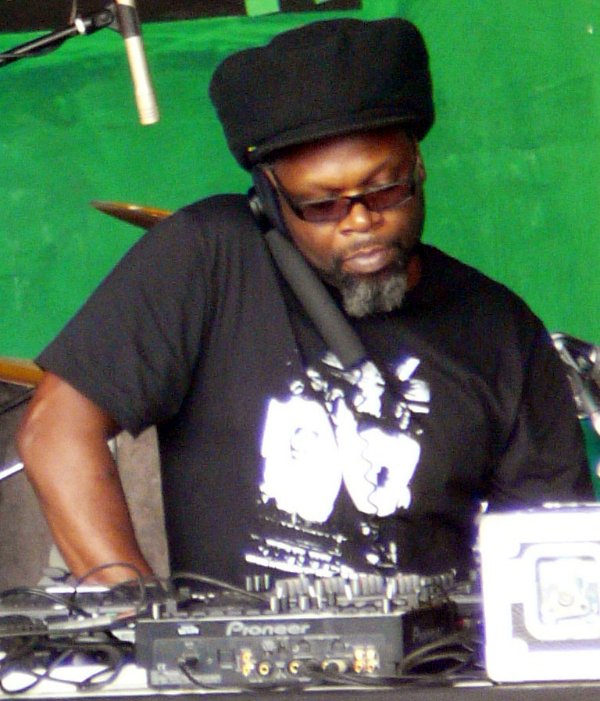
Trevor Beresford Romeo, known as Jazzie B, was born on 26 January 1963 in Hornsey, London, to parents of Antiguan descent, the ninth of ten children, and began running sound systems with childhood friend Philip 'Daddae' Harvey in his early teens.
By 1982 Jazzie B had renamed their collective Soul II Soul, building a reputation through warehouse parties and sound system nights that fused reggae, dub, hip-hop, house and West African rhythms into a distinctive new British sound, while the group's 'Funki Dred' clothing line became a symbol of club culture.
Soul II Soul's 1989 debut album, Club Classics Vol. One, produced by Jazzie B with Nellee Hooper, spawned the global hits 'Keep On Movin'' and 'Back to Life (However Do You Want Me)', earning the group a Grammy Award and establishing a sound that would influence a generation of British R&B and dance music.
In 1990 Jazzie B took Soul II Soul's live show international, touring with around 100 people across more than three months, and the group's influence spread to over 35 territories, selling more than 10 million albums while Jazzie B's production work extended to collaborations with James Brown, Sinéad O'Connor and Destiny's Child.
Jazzie B was awarded the OBE for his services to music in 2008, the same year he received the inaugural Inspiration Award at the Ivor Novello Awards, and he continues to DJ and produce music worldwide, hosting a Sunday radio show and running his own record label.
- Founded Soul II Soul, selling over 10 million albums across 35+ territories
- Produced the Grammy Award-winning Club Classics Vol. One
- Co-wrote and produced global hits 'Keep On Movin'' and 'Back to Life (However Do You Want Me)'
- Co-produced James Brown's album Universal James
- Received the inaugural Ivor Novello Inspiration Award, 2008
- A local sound system can become a global movement. Jazzie B's warehouse party sound system grew into a Grammy-winning act selling millions of albums worldwide.
- Genre fusion can create something entirely new. Soul II Soul's blend of reggae, hip-hop, house and West African rhythms created a distinctive sound with no direct precedent.